
Day 1: Walk through Colonial Roots
Morning: Start your first day in Kota Tua, Jakarta’s historic old town. The colonial-era square, Fatahillah Square, feels like stepping into a time warp. It’s surrounded by Dutch-era buildings and vintage bicycles you can rent for a quirky photo op. Your first stop should be the Jakarta History Museum (Museum Fatahillah) inside the old city hall. It’s a crash course in Jakarta’s past—from early kingdoms to Dutch colonization.
Then head to the nearby Wayang Museum, dedicated to traditional Indonesian puppetry. The intricate shadow puppets here tell deep stories of Javanese culture and mythology. If you’re lucky, you might catch a live demo or workshop.
Afternoon: Wander into Glodok, Jakarta’s Chinatown, just a 10-minute walk away. It’s chaotic and fascinating. Visit Vihara Dharma Bhakti, one of the city’s oldest temples, with incense-filled courtyards and bright red altars. Before heading out, pop into Petak Sembilan Market for some street photography or souvenirs. It’s noisy, colorful, and full of character.
Evening: Instead of heading to a bar or mall, stick around Fatahillah Square as the sun sets. The colonial buildings light up beautifully in the golden hour, and the square becomes lively with local street performers, musicians, artists, and night vendors.

Save Tip:
Visit Café Batavia, located right on Fatahillah Square. Even if you just order a drink, the art deco interiors and vintage portraits make it a lovely spot to soak up the ambiance and wind down.

Splurge Tip:
Hire a heritage tour guide for Kota Tua. They’ll give context to the buildings, stories from Dutch rule, and even ghost legends that add depth to your walk.
Day 2: National Icons and Local Culture
Morning: Start your day at Merdeka Square, home to one of Jakarta’s most iconic landmarks: the National Monument (Monas). Ride the elevator up for sweeping views of the city skyline. The base of the monument also houses a museum narrating Indonesia’s fight for independence.
From there, walk over to the National Museum (Museum Gajah), which has an impressive collection of ancient Javanese artifacts, Hindu-Buddhist sculptures, and tribal objects from across the archipelago.welry to contemporary digital exhibits.
Afternoon: After lunch, take a short taxi ride to Istiqlal Mosque, the largest mosque in Southeast Asia. Its vast interior and minimalist design are jaw-dropping. Right across the street is the Jakarta Cathedral, making this one of the rare places where a mosque and a church face each other in harmony.
Then, head to Taman Suropati, a shaded park in the Menteng area. Locals come here to play music, paint, or simply relax under the trees.
Evening: Spend your evening in Menteng, Jakarta’s upscale residential district with colonial-era houses. If you’re up for it, visit a local gallery or independent bookstore—there are often poetry readings or art exhibitions that welcome visitors.
Save Tip:
Visit Monas and the National Museum in one go—they’re within walking distance and have a combined entrance fee that’s super affordable.
Splurge Tip:
Book a dinner at a fine-dining Indonesian fusion restaurant in Menteng. You’ll experience native flavors with a modern twist in an elegant setting.
Day 3: Art and Rooftop Vibes
Morning: Welcome to the trendiest part of the city. Start in Kemang, a boho-chic neighborhood filled with indie shops, art galleries, and design-forward cafés. Visit Dia.Lo.Gue Artspace, a contemporary gallery and concept store that showcases local artists and quirky Indonesian-made goods.
Walk around the area, popping into boutique stores or simply soaking up the creative energy. If you’re interested in contemporary culture, Kemang is Jakarta at its coolest.
Afternoon: Head to Blok M, a fast-evolving neighborhood known for its underground Japanese community. Explore Little Tokyo, where you’ll find izakayas, ramen joints, and manga stores.
Then visit M Bloc Space, a former government printing complex turned cultural hub. You’ll find local fashion brands, record stores, and quirky eateries. It’s also a hotspot for live music and youth events, so check if anything’s happening while you’re in town.
Evening: Make your way to Senopati, Jakarta’s upscale nightlife district. It’s home to high-end cocktail lounges and sky bars. Cap off your day at a rooftop bar, sipping drinks with panoramic views of the twinkling skyline.
Save Tip:
Explore M Bloc Space for indie art, budget eats, and free live music—without breaking the bank.
Splurge Tip:
Treat yourself to a night out in Senopati with rooftop cocktails and skyline views. It’s worth the splurge, especially on a Friday or Saturday.
Day 4: Seaside Charms
Morning: Today’s all about Jakarta’s maritime soul. Start at Sunda Kelapa Harbor, the old port area where you’ll see beautiful phinisi schooners, traditional wooden ships still in use today. It’s one of the most photogenic places in Jakarta, especially in the morning light.
Then visit the nearby Maritime Museum (Museum Bahari), housed in a 17th-century Dutch warehouse. It’s often overlooked, but the collection of navigational tools, ship replicas, and maritime artifacts is fascinating.st.
Afternoon: Next, take a taxi to Ancol Dreamland, Jakarta’s beachfront entertainment complex. Visit Art Market (Pasar Seni) for local handicrafts, or stroll along the Ancol Boardwalk with views of the Java Sea. If you’re traveling with kids, SeaWorld Ancol and Ocean Dream Samudra are fun (though a bit dated).
If you’re in the mood for a nature break, hop on a short boat to Pulau Bidadari, one of the nearest Thousand Islands. Spend a few hours walking the beach and exploring the small Spanish ruins—it’s peaceful and surprisingly close to the city.
Evening: Wind down your Jakarta trip with dinner by the water. Whether it’s fresh seafood or grilled satay, there’s something magical about ending your journey with ocean breezes and twinkling harbor lights.
Save Tip:
Skip overpriced rides and use TransJakarta buses to Ancol—they’re efficient, air-conditioned, and super cheap.
Splurge Tip:
Book a private boat trip to one of the Thousand Islands. It’s the ultimate escape from the city’s bustle and only takes about 30–60 minutes.

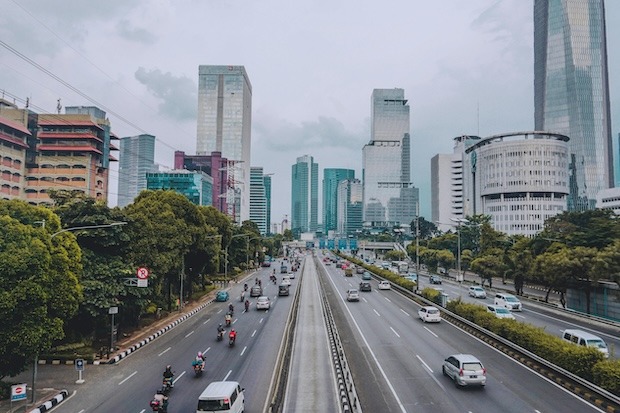
Jakarta’s traffic is notorious. A 20-minute ride can stretch into an hour during peak times. Avoid traveling between 7–10 AM and 4–7 PM, especially on weekdays. If you need to cross town, try to do it mid-morning or early afternoon. If you really need to travel during peak hours, factor in double the traffic time.