
Day 1: Colonial Past
Morning: Kick off your Manila adventure in Intramuros, the historic heart of the city. Walk through the gates of Fort Santiago, a fortress that dates back to the Spanish colonial era. It’s peaceful and green, with mossy stone walls and an eerie old prison cell where José Rizal, the national hero, spent his final days. Wander slowly—it’s more than just a site, it’s a walk through centuries of Filipino resistance and resilience.
Just a few minutes away, step into the magnificent San Agustin Church, the oldest stone church in the Philippines. Its baroque interiors, intricate ceiling art, and quiet courtyard cloister transport you straight to the 16th century. Don’t skip the museum upstairs—it’s filled with fascinating religious artifacts and even a crypt.
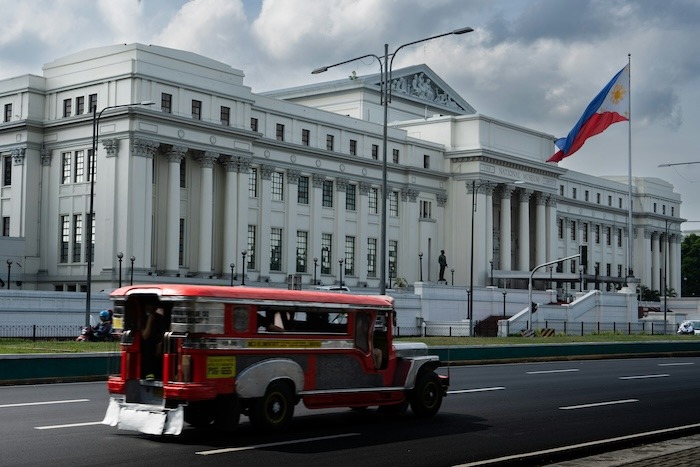
Afternoon: Head south to Rizal Park, also known as Luneta. It’s more than just a green patch—it’s the site of Rizal’s execution and a powerful symbol of independence. After some light strolling and people-watching, make your way to the National Museum of Fine Arts or the National Museum of Anthropology. Both are excellent, free to enter, and just a stone’s throw away. You’ll see everything from ancient Filipino tools to impressive works by Juan Luna and Fernando Amorsolo.
Evening: Make your way to Roxas Boulevard in time for sunset. Find a bench or walk along Baywalk, the promenade that offers some of the most iconic views of Manila Bay. The colors here at golden hour? Unbeatable.

Save Tip:
All National Museums in Manila are free! You’ll get hours of rich cultural immersion without spending a dime.

Splurge Tip:
Hire a kalesa (horse-drawn carriage) inside Intramuros. It’s a nostalgic way to explore the cobblestoned streets and take photos with heritage buildings as your backdrop.
Day 2: Modern Manila
Morning: Start in the green urban pocket of Ayala Triangle Gardens, where early risers jog and skyscrapers gleam through the trees. Then head to the nearby Ayala Museum, a favorite among locals and travelers alike. It’s a fantastic crash course in Filipino heritage—from pre-colonial gold jewelry to contemporary digital exhibits.
Afternoon: Stop by Greenbelt Mall, where you’ll find peaceful koi ponds, hidden chapels, and air-conditioned shopping arcades—all in one spot. Then take a short ride to Bonifacio Global City (BGC), the polished urban center just a few kilometers away.
Start at Track 30th, a wellness park lined with native plants and art sculptures. Stroll around and hunt down the BGC Art Murals—massive, vibrant street artworks that bring life to building walls. It’s like a modern art museum, but outdoors and totally free.
Cap off your BGC afternoon with a visit to The Mind Museum. Even if you’re not a science geek, the interactive exhibits, planetarium, and quirky displays are pure fun.s.
Evening: Head back to Makati and finish the day in Poblacion. This is Manila’s coolest nightlife district, with a mix of dive bars, rooftop hangouts, live music venues, and bohemian cafés. The vibe here is creative, edgy, and welcoming.
Save Tip:
Use the BGC Bus system to get around for just a few pesos. Clean, punctual, and wallet-friendly.
Splurge Tip:
Book a table at a rooftop bar in BGC or Poblacion. Sip on something cold while watching the city lights come to life beneath your feet.
Day 3: Old Streets and Tasty Treats
Morning: Welcome to Binondo, the world’s oldest Chinatown and a living, breathing foodie paradise. Begin at Binondo Church, then dive straight into Ongpin Street for a self-guided food crawl. Grab some dumplings, pork buns, and hopia (mung bean pastries) from hole-in-the-wall bakeries that have been around for generations.
Afternoon: Walk across the majestic Jones Bridge into Escolta, once Manila’s elite shopping street during the early 1900s. Visit the First United Building, now a hub for local creatives and small businesses. Inside, you’ll find Hub: Make Lab, a collection of quirky stalls selling vintage finds, art prints, and zines.
Continue exploring Escolta’s faded grandeur and creative pulse—think crumbling beaux-arts architecture housing indie collectives and coffee shops.
Evening: Escolta comes alive in a low-key way after dark. Find a chill bar with local beer and music, or hang out at Plaza Moraga. If there’s a pop-up event or art show (common on weekends), definitely join—it’s where Manila’s creative crowd gathers.
Save Tip:
Escolta’s art spaces often host free exhibits, gallery walks, and vintage markets—especially on Saturdays. Follow local collectives online for updates.
Splurge Tip:
Book a Binondo-Escolta heritage walking tour. Guides can unlock hidden stories about the district’s Chinese-Filipino heritage, war-era secrets, and architecture.
Day 4: Day Trip to Tagaytay
Morning: Leave early for a day trip to Tagaytay, a breezy hillside escape just a couple of hours south of Manila. First stop: People’s Park in the Sky. While the park itself is a bit weathered, the 360-degree views of Taal Lake and Taal Volcano are stunning, especially in the morning mist.
Afternoon: Head next to Tagaytay Picnic Grove, where you can enjoy the outdoors with a view. There are simple walking trails, a hanging bridge, and even a zipline if you’re feeling adventurous. You don’t need to do much—the cool breeze and lush surroundings do all the work.
Evening: On your way back to Manila, stop by one of the Tagaytay ridge view decks. As the sun sets, the volcano and lake glow under the fading light—one last “wow” moment before you return to the city.
Save Tip:
Skip the expensive cafés and head to Starbucks Reserve. It’s one of the most scenic Starbucks in the world, with a direct view of Taal Volcano from the terrace. You get the million-peso view with just the price of a cup of coffee.
Splurge Tip:
Hire a private car for the day so you can visit all the scenic stops without rushing. You’ll have more flexibility and comfort, especially for families or couples.

While Manila is generally safe, petty theft like pickpocketing can happen—especially in crowded areas or transit hubs. Always wear your bag in front, avoid showing large amounts of cash or expensive gear, and don’t walk alone in poorly lit streets at night. When unsure, use Grab or ride-hailing apps instead of hailing random taxis.